
Huishi
In the fast-paced industrial landscape, choosing the right components is crucial. A Steel Timing Belt Pulley stands out for its strength and durability. This ensures effective power transmission and reduces the risk of failure during operation.
Many industries rely on these pulleys for their machinery. The robust design of a Steel Timing Belt Pulley can withstand rigorous conditions. They offer consistent performance over time. However, not all applications may benefit equally from their use. Careful consideration is essential.
When reliability and efficiency are priorities, a Steel Timing Belt Pulley often proves to be a wise investment. Its ability to handle heavy loads and maintain precise alignment is impressive. Ultimately, making informed choices about equipment components can significantly impact productivity and operational success.
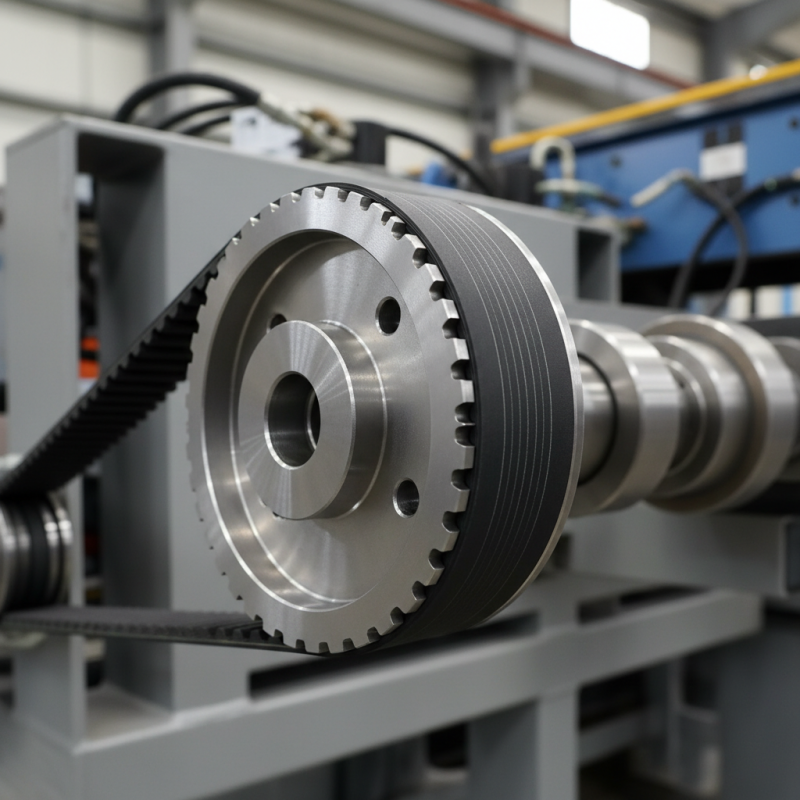
Steel timing belt pulleys are increasingly popular in industrial settings due to their numerous advantages. One significant benefit is their durability. Unlike plastic or aluminum, steel can withstand higher torque and stress. This makes them ideal for heavy machinery and high-load situations. Operators appreciate that steel pulleys require less frequent replacements, leading to reduced downtime.
Another key advantage is precision. Steel timing belt pulleys are manufactured to tight tolerances, ensuring accurate synchronization between components. This precision enhances performance and efficiency in machinery operations. When machines run smoother, production rates can improve. Steel pulleys also resist wear and tear better than other materials. This characteristic makes them suitable for environments with high levels of abrasion.
Despite these benefits, some may express concerns about weight. Steel pulleys can be heavier than alternatives, which might affect certain designs. Engineers must consider this aspect when selecting components. Overall, understanding the strengths and limitations of steel timing belt pulleys is essential for optimizing industrial applications. Operations can be more efficient when the right materials are chosen.
When it comes to industrial applications, the choice of material for components like timing belt pulleys is crucial. Steel is often favored for its exceptional durability and strength. Unlike plastic or aluminum, steel can withstand high tension and temperature. This resilience translates to longer service life and reduced maintenance needs. Over time, steel pulleys demonstrate superior performance, especially in demanding environments.
Many industries confront challenges with component degradation. Steel's ability to resist wear and fracture makes it a smart investment. Precision engineering ensures these pulleys maintain structural integrity under stress. Engineers often recommend steel for high-load applications. However, selecting the right type and grade is vital. Not every steel pulley is created equal.
While the upfront cost may be higher, the long-term benefits outweigh initial expenses. Businesses should analyze the cost-effectiveness related to performance and lifespan. Trust in steel’s proven capabilities can lead to more reliable operations. Industrial needs evolve, and materials must adapt. Reflecting on historical failures with other materials can inform future decisions. Ultimately, steel remains the benchmark for quality in timing belt pulleys.
When considering the cost-effectiveness of steel timing belt pulleys, it’s essential to examine their durability. Steel provides exceptional strength and resilience. This means fewer replacements over time, which directly impacts overall costs. In industrial settings, downtime can be expensive. A reliable pulley system minimizes this risk.
Another aspect often overlooked is maintenance. Steel pulleys require less frequent servicing and repairs compared to other materials. This can free up resources and time for your operations. However, some users may find initial steel costs higher than alternatives. It's important to analyze long-term benefits versus short-term expenses carefully.
In some cases, companies might compromise on quality for immediate savings. This approach can lead to higher total costs in the long run. Investing in high-quality steel pulleys aligns with a strategy aimed at sustainability and reliability. Reflecting on these factors helps ensure better decision-making in the procurement process, enhancing operational efficiency and productivity.
Steel timing belt pulleys are widely used across various industries due to their durability and efficiency. In automotive applications, these pulleys ensure precise timing in engines, leading to smoother operations. A report from the International Journal of Automotive Technology noted that around 70% of modern engines utilize timing belt systems, highlighting the critical role of steel pulleys.
In the manufacturing sector, steel timing belt pulleys enhance productivity. They are vital in conveyor systems, which are essential for material handling. The Material Handling Industry Association states that effective pulley systems can reduce energy consumption by up to 30%. Such efficiency not only decreases operational costs but also minimizes environmental impact.
However, the choice of materials matters. Steel offers both strength and resistance to wear, but it can also be heavier than alternatives. This weight could add stress to certain applications, particularly in lightweight machinery. Reflecting on this, some engineers recommend conducting thorough evaluations to determine optimal pulley selections based on specific operational requirements.
When selecting a timing belt pulley, steel options stand out. They offer superior strength, durability, and precision compared to alternatives such as plastic or aluminum. According to a 2022 industry report, steel pulleys can withstand higher loads, significantly reducing the risk of breakage. This resilience can lead to fewer downtimes in industrial operations, which is crucial for efficiency.
Plastic options may be lighter, but they often lack the required strength. Aluminum can be effective too, but it frequently falls short in terms of wear resistance. Studies show that steel pulleys provide a better performance-to-cost ratio, especially for heavy-duty applications. Selecting steel also minimizes the chances of deformation and elongation over time, preserving the integrity of machinery.
Tip: Always assess your specific application needs before choosing a pulley. Evaluate load requirements and environmental conditions. Regular maintenance can enhance your equipment's lifespan too. Additionally, consider the advantages of steel over other materials in terms of reliability and long-term cost. Steel may require a higher initial investment, but the long-term benefits often outweigh the costs.
: Steel timing belt pulleys are durable and can withstand high torque and stress, making them suitable for heavy machinery.
Steel offers superior strength and wear resistance, while plastic is lighter but less durable. Aluminum often lacks wear resistance.
Precision ensures accurate synchronization between components, enhancing efficiency and production rates in machinery operations.
No, steel pulleys generally need less frequent replacements than plastic or aluminum, reducing downtime in industrial settings.
Yes, steel pulleys can be heavier, which may affect certain designs. Engineers should consider weight when selecting components.
Though the upfront cost is higher, the long-term benefits, such as durability and reduced maintenance, often justify the expense.
Steel demonstrates resilience against wear and fracture, making it a smart choice for high-load applications.
Evaluate load requirements, environmental conditions, and the specific needs of your application for optimal performance.
Yes, the weight of steel pulleys might impact machine design. Consideration is necessary during the selection process.
Choosing the right materials and maintaining equipment can enhance operational efficiency and reduce downtime.
Steel Timing Belt Pulleys offer numerous benefits that make them an ideal choice for various industrial applications. Their exceptional durability and strength allow them to outlast other materials, providing a reliable solution for demanding environments. This longevity translates into cost-effectiveness over time, as businesses can reduce the frequency of replacements and maintenance.
Moreover, Steel Timing Belt Pulleys are versatile and applicable across a range of industries, suited for any situation where precision and reliability are crucial. When comparing steel options to alternatives, it’s clear that their robustness and economic advantages make them a superior choice for industries looking to optimize performance and efficiency in their machinery.
